
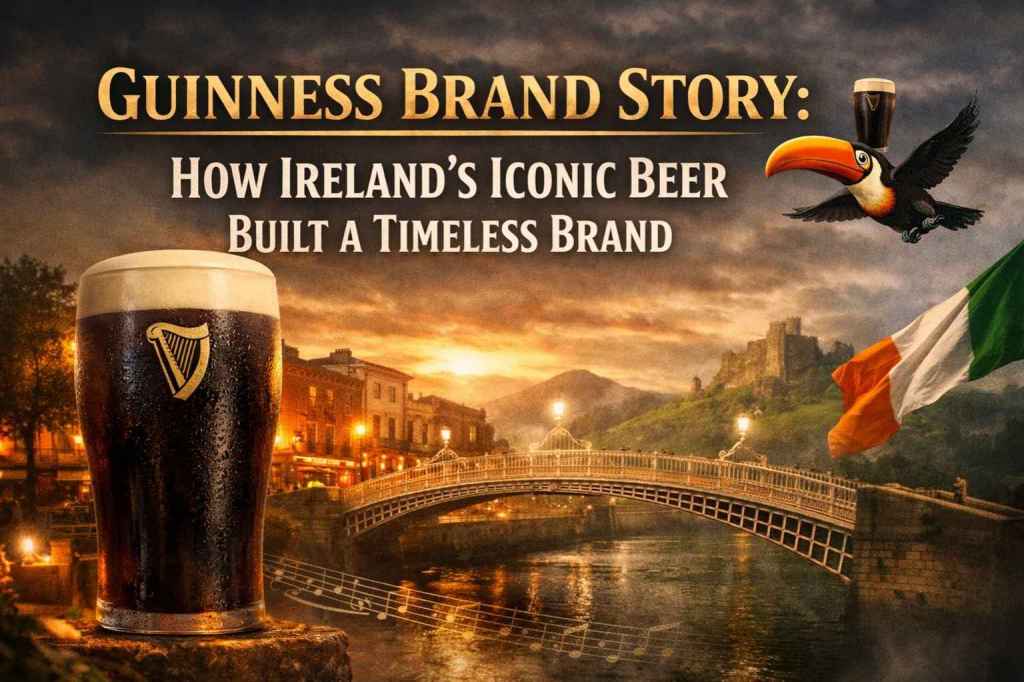
When people think of Ireland, a few things instantly come to mind:
green landscapes, pubs, music… and of course, Guinness.
What makes Guinness special is not just the beer itself.
Guinness is a brand story that tells the story of Ireland to the world.
But how does a beer brand remain powerful for more than 250 years?
The answer lies in storytelling, consistency, and smart marketing.
The Guinness Story: From a Beer Brand to a National Identity
The story of Guinness is not a typical “brand success story.”
It is a story built on time, patience, and character.
In 1759, Arthur Guinness signed a lease for the St. James’s Gate Brewery in Dublin.
But this was no ordinary lease.
A 9,000-year lease.
This detail is still one of the most repeated facts in Guinness storytelling today.
Because it perfectly reflects the brand’s DNA:
thinking long-term rather than chasing short-term wins.
Guinness never rushed.
And over time, this mindset shaped not only the business model, but also the product experience and brand perception.
Guinness and the Idea of Waiting
If you’ve ever ordered a Guinness, you already know this:
it is not poured quickly, and it is not meant to be rushed.
The foam must settle.
The pour follows a ritual.
This act of waiting became part of the brand story itself.
Patience, quality, and ritual quietly turned into core Guinness values.
🧠 Brand storytelling insight:
Guinness is one of the rare brands that successfully turned the product experience into a marketing message.
The Bond Between Guinness and Ireland
Guinness never positioned itself as “global-first.”
It positioned itself as Irish-first.
- A staple of Irish pubs
- Part of everyday social life
- A symbol of gathering and connection
Over time, Guinness became more than a drink.
It became a feeling of belonging.
Today, no matter where you are in the world, a pint of Guinness instantly brings Ireland to mind.
Small but Powerful Details That Make Guinness Unique
What makes the Guinness story so compelling is not only the big narrative, but also the small details:
- The harp in the Guinness logo was used before it became Ireland’s national emblem
- In many ads, the product itself was secondary to the story
- Even during major cultural shifts, the brand rarely changed its tone
This consistency turned Guinness into a character-driven brand, not a trend-driven one.
The Guinness Mascot: Why a Toucan Became Stronger Than a Logo
In the 1930s, Guinness made an unusual decision.
While most brands focused on logos or product visuals, Guinness introduced the Toucan.
Colorful, playful, slightly strange
and yes, completely unrelated to beer.
And that’s exactly why it worked.
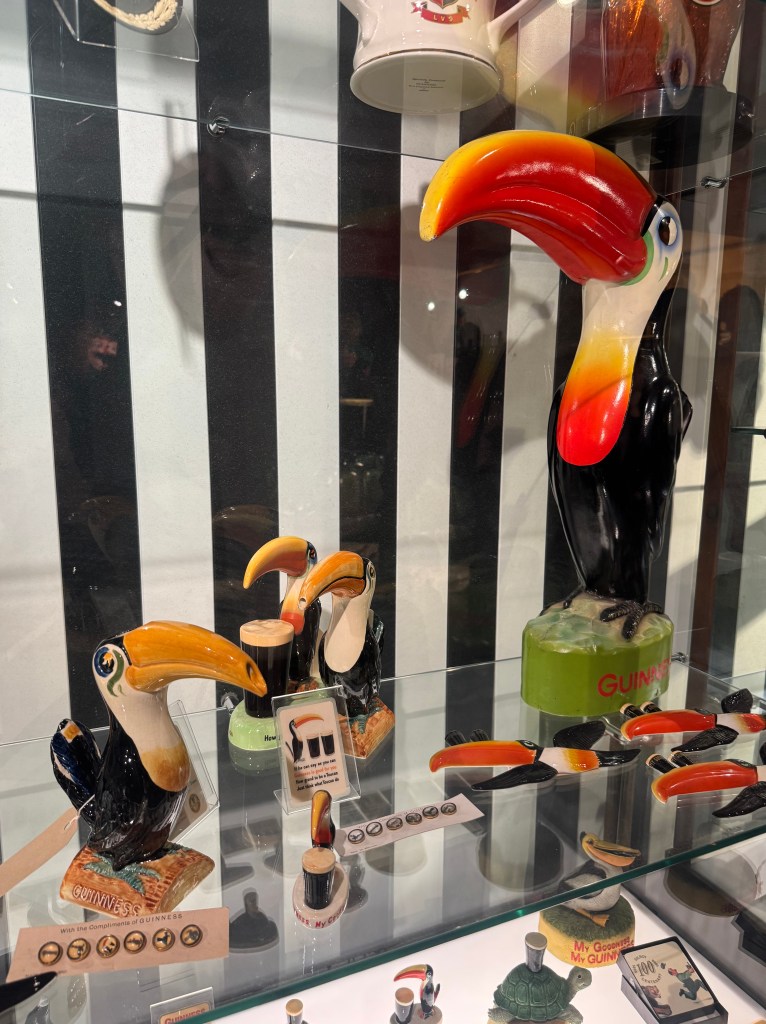
The Toucan:
- Humanized the brand
- Helped Guinness stand out from competitors
- Became a multi-generational brand character
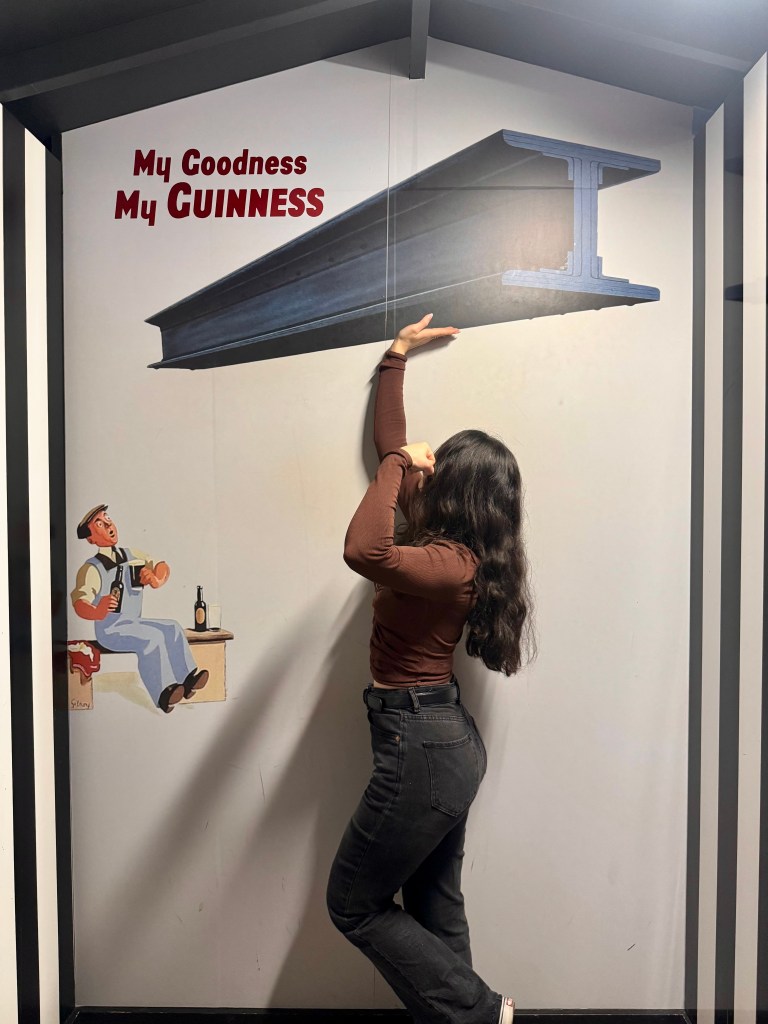
“My Goodness, My Guinness” became more than a slogan.
It became brand personality.
The Most Iconic Guinness Advertising Campaigns (And Why They Worked)


Surfer (1999)
Surfer is frequently ranked among the greatest TV commercials of all time.
The ad shows surfers waiting for the perfect wave, which transforms into white horses.
The beer itself barely appears.
Yet the ad is unforgettable.
Why it worked:
- Metaphor over product
- Patience as a brand value
- Cinematic storytelling
Tipping Point (2007)
A chain reaction of falling objects leads to a perfectly poured pint of Guinness.
This campaign spread rapidly because:
- It was visually hypnotic
- Designed for repeat viewing
- Perfectly timed with the rise of YouTube
🧠 Digital marketing lesson:
Guinness went viral before “going viral” was even a goal.
Made of More (2012– )
With Made of More, Guinness shifted its focus completely.
The beer wasn’t the hero.
People were.
- Friendship
- Loyalty
- Quiet strength
Guinness didn’t sell a product.
It sold values.
Why Guinness Ads Feel Different
Most brands shout.
Guinness pauses.
Its advertising is often:
- Slower
- Darker
- More emotional
This is not accidental.
It’s a deliberate contrast strategy in a fast, noisy advertising world.
Guinness in the Digital Age: From Advertising to Culture
Guinness never chased trends.
Instead, it:
- Adapted storytelling to digital platforms
- Maintained visual and tonal consistency
- Focused on long-term brand memory over short-term engagement
Whether on social media or in experiential marketing, Guinness is instantly recognizable.
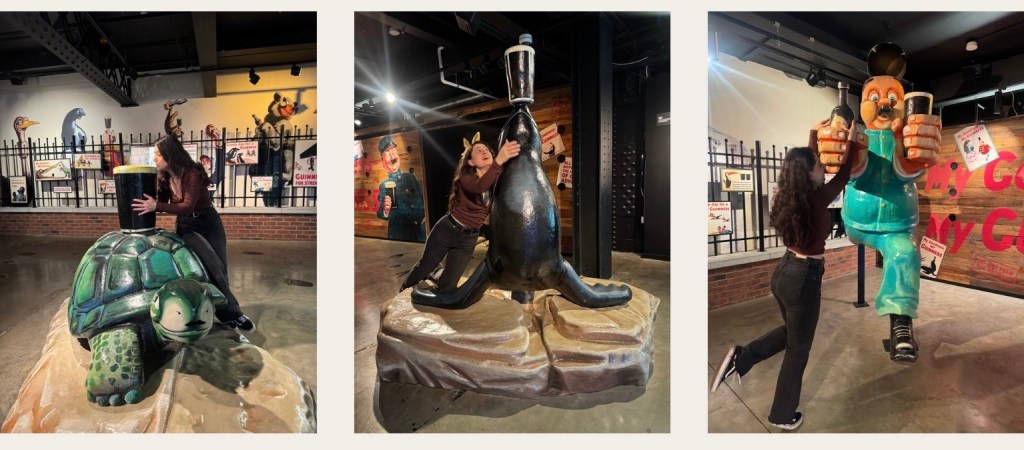
Guinness Characters & Visual Storytelling: Inside Guinness Dublin
Walking through the Guinness Storehouse in Dublin feels less like visiting a brewery and more like stepping into a brand universe.
Beyond the famous Toucan, Guinness built an entire visual world filled with exaggerated strength, humour, and memorable characters.
These characters didn’t just sell beer, they made Guinness feel human, playful, and culturally rooted.
Guinness on Netflix: When a Brand Story Becomes a Series
Guinness: The House of Guinness proves an important point
A brand story can be compelling without being an advertisement.
- No selling
- No call-to-action
- Pure cultural storytelling
✨ This is high-level content marketing.
What Digital Marketers Can Learn from Guinness
Guinness teaches us that:
- Consistency outperforms trends
- Stories are remembered longer than features
- Brands rooted in culture last longer
Guinness didn’t market a beer.
It marketed identity.
And that’s why it still works.
 Digital Ceren
Leave a comment