
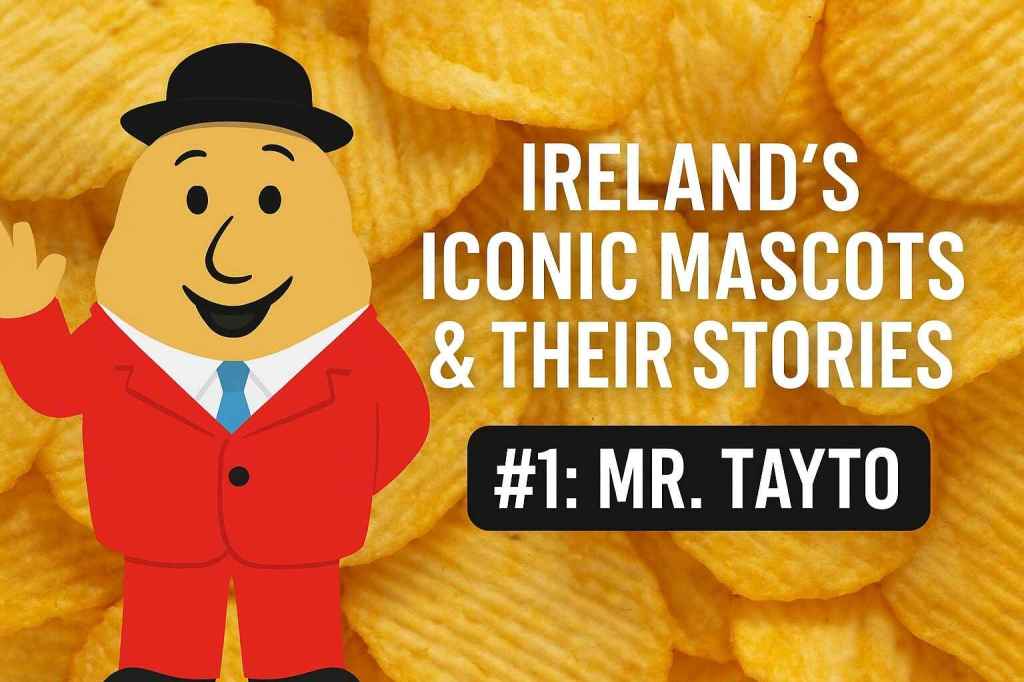
When you think of Ireland, potatoes are probably one of the first things that come to mind. But in Ireland, the potato isn’t just a crop – it also became the face of one of the country’s most beloved snack brands. Meet Mr. Tayto: the charming, hat-wearing, tie-clad potato who has grown into much more than a mascot. He’s a perfect example of character-led branding done right.
In this post, we’ll explore the story of Tayto Crisps, the birth of Mr. Tayto, his cultural influence, and how he remains a marketing icon to this day.
The Birth of Tayto Crisps: The World’s First Flavored Chips
In 1954, Joe “Spud” Murphy founded Tayto in Dublin. Until then, crisps were plain and salted. Tayto changed everything with the world’s first flavored crisps: Cheese & Onion.
This innovation transformed crisps from a simple salty snack into an exciting treat with endless possibilities. The concept spread quickly – today, brands like Walkers, Lay’s, and Pringles owe their flavored-crisp empires to Tayto’s pioneering step.
But Tayto’s story wasn’t just about flavor. It was about creating a cultural symbol. And that’s where Mr. Tayto entered the scene.
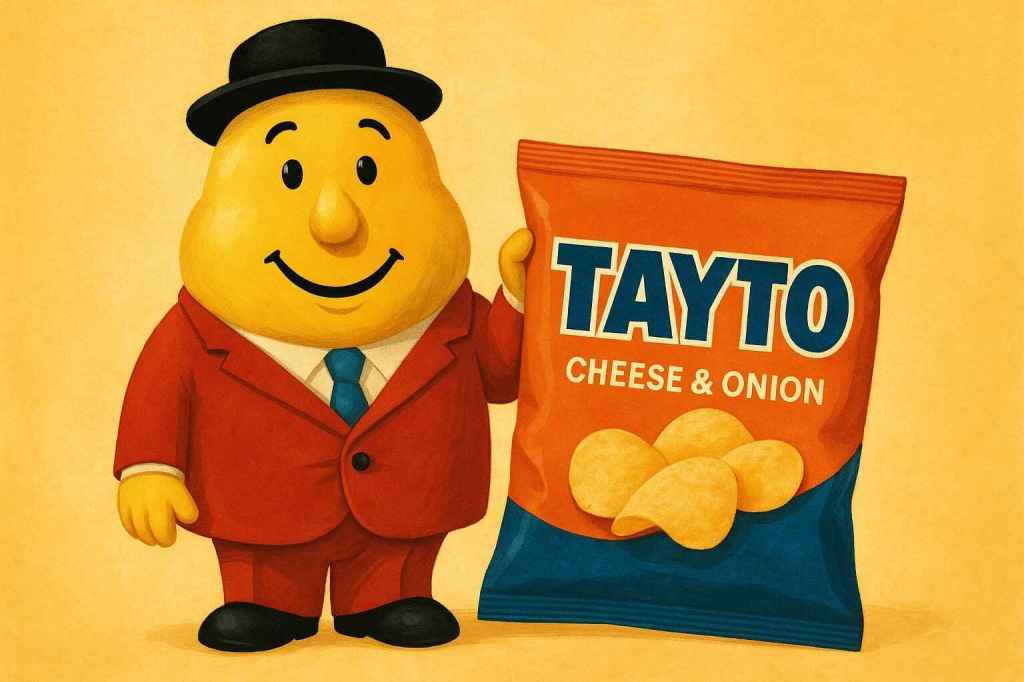
Mr. Tayto: The Power of Character-Led Branding
Murphy knew Tayto needed more than just a product – it needed a personality. Early sketches started as a simple potato character, but soon evolved into something bigger: a friendly, trustworthy figure who reflected Irish warmth and humor.
That figure became Mr. Tayto. With his round face, bowler hat, tie, and ever-present smile, he wasn’t just a mascot – he was the spirit of Tayto. Consumers didn’t just see him on a packet of crisps; they recognized him as the friendly neighbor, the cheerful Irishman everyone could relate to.
This was character-led branding at its best: creating an emotional connection that turned a snack into a household name. Children embraced him like a cartoon hero, while adults saw him as a reassuring and nostalgic presence.
From Mascot to Cultural Icon
Over the years, Mr. Tayto grew into something far greater than a marketing figure. He became part of Ireland’s popular culture.
🎢 Tayto Park (now Emerald Park):
Launched in the 2000s, Tayto Park was more than an amusement park – it was an immersive brand experience. Families didn’t just eat Tayto; they met Mr. Tayto in person, saw him on rides, and took photos with him. It was a masterclass in experiential marketing.
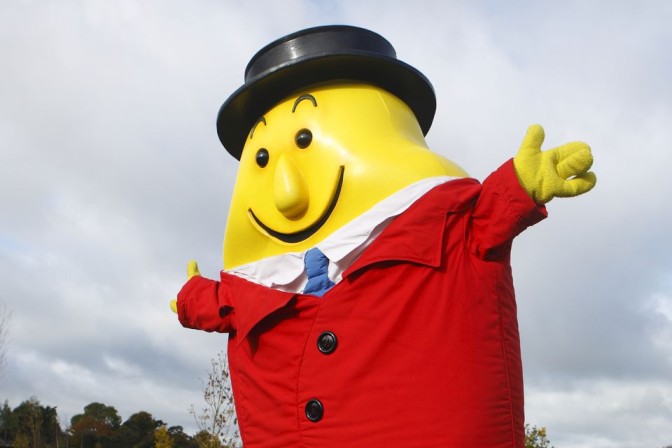
photo from: independent.ie
🗳️ Political Humor:
Mr. Tayto even “ran” for office in a tongue-in-cheek campaign. With posters declaring “Vote for Tayto,” he tapped into Ireland’s love of humor and satire while reinforcing his image as a mascot “for the people.”

photo from: taytocrisps.ie
🛍️ Merchandising:
From mugs and magnets to plush toys and T-shirts, Mr. Tayto became a popular souvenir. These items weren’t just for tourists – locals embraced them too, turning Mr. Tayto into a part of everyday life.
Marketing & Campaigns
Mr. Tayto has always been at the heart of Tayto’s advertising – from TV screens to TikTok.
📺 TV Ads (1980s–2000s):
Commercials featured Mr. Tayto in humorous, family-friendly scenarios – like joining dinner tables or helping children. He wasn’t just selling crisps; he was building trust and warmth.
📱 Social Media:
- Twitter/X: Known for witty, timely posts, especially during election seasons.
- Instagram: Nostalgic packaging and retro ads strengthened emotional connections.
- TikTok: Fun challenges and short skits helped Mr. Tayto reach a younger audience.
🎯 Memorable Campaigns:
- “Vote for Tayto” – a playful political campaign that went viral.
- “Bring Back Memories” – celebrating retro packaging to target nostalgic fans.
- Merch tie-ins – integrating branded items into promotions so fans could “take Tayto home.”
Through it all, Mr. Tayto has shown how a strong character can adapt across generations and platforms – from TV spots to theme parks to TikTok trends.
Conclusion: More Than a Mascot
Mr. Tayto is more than the face of a crisp brand – he’s an Irish cultural icon. Since the 1950s, he has embodied the success of character-led branding by connecting with people not just through products, but through personality and story.
Every time you spot his smiling face on a packet, you’re reminded that great brands don’t just sell – they create characters, memories, and cultural bonds.
Stay tuned – next month, we’ll uncover another brand mascot and its story.
 Digital Ceren
Leave a comment